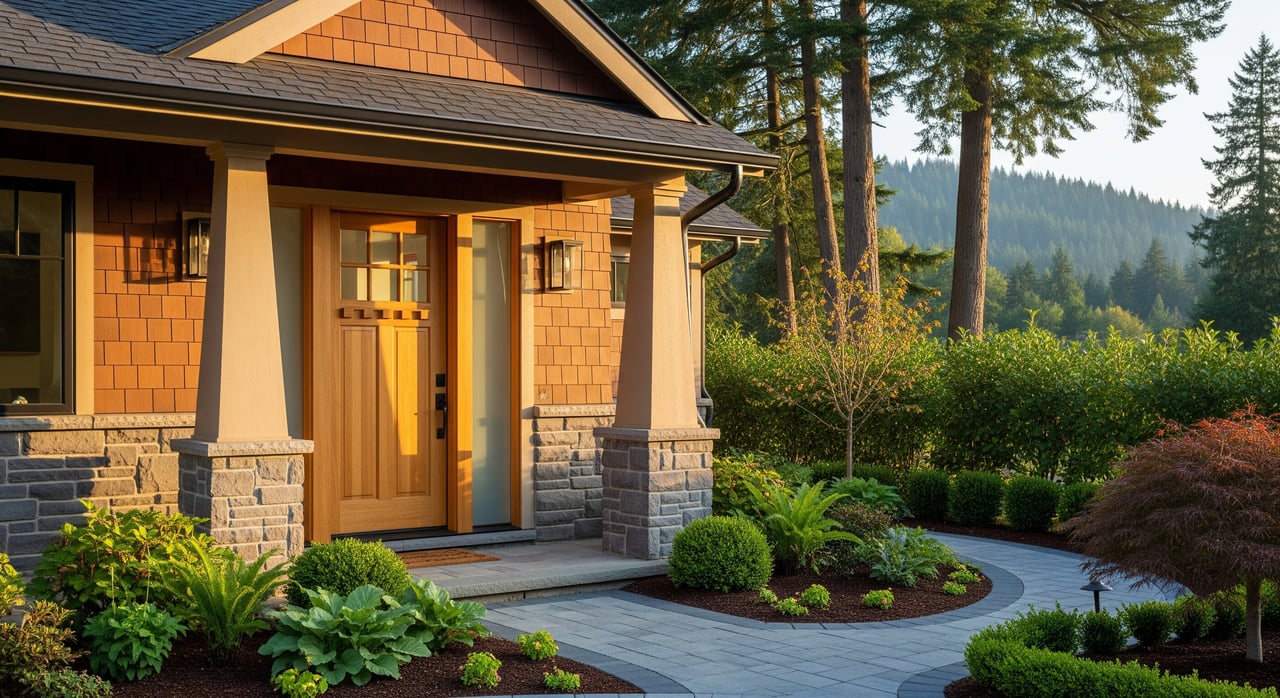
Buying your first home in Camas can feel big and exciting. You want a clear plan, local insight, and someone who can translate the process into simple steps. In this guide, you’ll learn exactly how to budget, get pre-approved, tour homes, write offers, and close in Washington. You’ll also see Camas-specific tips and how to use a mortgage calculator and bilingual support to move confidently. Let’s dive in.
Step 1: Set your budget
Start with a realistic monthly payment range. Include principal, interest, property taxes, and homeowners insurance so you see the true PITI number. Add a cushion for utilities, maintenance, and HOA dues if the home has them.
Down payment options vary. Some programs allow as low as about 3 percent down, while 20 percent can help you avoid private mortgage insurance. Plan for closing costs, which are typically 2–5 percent of the purchase price. Set aside at least 2–3 months of mortgage reserves plus moving and immediate repair funds.
Use a mortgage calculator to model different scenarios. Test interest rates, down payment levels, and HOA fees. Save or print your results and bring them to your lender and agent meetings for a more focused conversation.
Step 2: Check credit and prep documents
Pull your credit reports and resolve any errors. Lenders will guide you on score and debt-to-income targets by loan type. Avoid new credit accounts or large purchases during the process.
Gather key documents before you apply. Common items include:
- Last 2 years of W-2s and recent pay stubs
- Recent bank statements
- Tax returns if self-employed
- Government-issued photo ID and Social Security number
- Gift letters if using gifted funds
Step 3: Get pre-approved and explore programs
Pre-approval carries more weight than pre-qualification. A written pre-approval shows sellers that a lender has reviewed your finances and issued a conditional commitment. Ask multiple lenders or credit unions for a Loan Estimate so you can compare interest rates, fees, and mortgage insurance.
Explore first-time buyer options. The Washington State Housing Finance Commission offers mortgage programs and down payment assistance that can reduce upfront cash needs. Some programs have income and purchase price limits and may require homebuyer education. HUD-approved housing counselors can also provide education and guidance.
Step 4: Choose your agent and define your search
Work with a buyer’s agent licensed in Washington who understands Camas and Clark County. Bilingual support in English and Russian can make a big difference when reviewing contracts and disclosures.
Define your must-haves and nice-to-haves. Consider home type, size, layout, and parking. For many Camas buyers, proximity to downtown Camas, Lacamas Lake recreation, Camas School District boundaries, and commute routes to Vancouver or Portland are common priorities.
Step 5: Tour homes in Camas wisely
Walk through homes with a clear, consistent checklist. Look at roof age and condition, foundation and settling evidence, windows, plumbing, HVAC, electrical panel capacity, visible water damage, drainage, pests, insulation, and yard grading. Note road noise, cell reception, and parking.
Know the local factors. In parts of Camas, you may encounter shoreline or watershed considerations near Lacamas Lake and Round Lake, or floodplain setbacks near creeks. Some homes may have septic systems instead of sewer, which can require specific inspections and permits if repairs are needed. If you plan remodels, check local building and zoning rules.
Step 6: Write a strong offer
A complete offer includes price, earnest money, financing, inspection and appraisal contingencies, closing date, and any seller concessions you request. Earnest money is typically held in escrow by a title and escrow company. In Washington, standard forms are widely used, and your agent will draft and present everything.
Strategy depends on market conditions. In a competitive scenario, you might use an escalation clause or shorter inspection window. In a calmer market, you may negotiate closing cost credits, rate buydowns, or repairs.
Step 7: Inspect, appraise, and underwrite
Schedule a general home inspection. Depending on the property, add a sewer scope, pest or wood-destroying organisms inspection, roof or chimney checks, HVAC evaluation, and septic inspection if applicable. Use the results to request repairs or a credit.
Your lender will order an appraisal to confirm value. If the appraisal comes in low, you and the seller may renegotiate price or concessions. During underwriting, your lender verifies income, assets, and credit, so avoid job changes or big purchases until you close.
Step 8: Close with confidence
In Washington, title and escrow companies coordinate the closing. You will receive a Closing Disclosure before signing, which outlines all costs and credits. Wire your funds only using instructions you verify directly with your known escrow contact to avoid fraud.
Owner’s title insurance is recommended for long-term protection. After closing, set up utilities, change your address, and complete any HOA move-in steps. You can also consider filing a homestead for added protection where applicable.
Local rules and disclosures to know
- Real estate excise tax, often called REET, is typically paid by the seller in Washington, though closing costs are negotiable between parties.
- Sellers complete a residential property disclosure, and a lead-based paint disclosure applies for homes built before 1978.
- Property taxes are assessed by Clark County and are prorated at closing. Washington has no state income tax, which can influence how you think about affordability.
- Some properties may have special assessments or be in local improvement districts. Review the title report and county records.
- For condos and HOAs, review the documents, bylaws, financials, and reserve studies. Lenders may also have specific condo project requirements.
Quick checklists for first-timers
Documents for your lender
- Pay stubs, W-2s, and recent bank statements
- Tax returns if self-employed
- Photo ID and Social Security number
- Gift letters if using gifted funds
Touring checklist
- Roof, foundation, windows, plumbing, HVAC, electrical panel
- Water intrusion, drainage, pests, attic insulation
- Noise, cell reception, parking, storage
- Commute test run and access to amenities
Offer checklist
- Earnest money amount and deposit timeline
- Inspection, financing, and appraisal contingencies
- Closing date and possession timing
- Seller credits or rate buydown requests
Inspection checklist
- General home inspection report
- Sewer scope, pest or WDO, roof and chimney
- HVAC service check, septic evaluation if applicable
Closing checklist
- Final walk-through 24–48 hours before closing
- Government-issued ID for signing
- Verified wire or cashier’s check for funds
- Keys after recording confirmation
How a bilingual Camas agent helps
Clear communication saves time and stress. If you or a family member prefers Russian, bilingual support makes it easier to understand contract terms, disclosures, timelines, and negotiations. It can also help coordinate with lenders, inspectors, and escrow teams who can communicate in your preferred language.
A local, bilingual agent can flag Camas-specific issues early, from shoreline or floodplain questions to septic considerations and HOA rules. You get practical guidance, more confidence in your decisions, and a smoother path to closing.
Ready to start?
When you are ready to put your plan into action, partner with a local advisor who will walk you through every step. From setting your budget and comparing loan options to touring and writing a confident offer, you will have a steady guide by your side.
If you want hands-on, bilingual support and local expertise in Camas and Clark County, reach out to Julie Mikutin Real Estate. Schedule Your Free Consultation.
FAQs
How much down payment do first-time buyers need in Washington?
- It depends on your loan type and any assistance programs. Options can start around 3–3.5 percent down, while 20 percent can help you avoid mortgage insurance.
What are typical closing costs for Camas buyers?
- Closing costs are commonly 2–5 percent of the purchase price. Exact amounts vary by lender fees, insurance, taxes, and escrow and title services.
Do I need a pre-approval before touring homes?
- You can tour without one, but a written pre-approval strengthens your position and helps you move quickly when you find the right home.
What inspections are common in Camas, WA?
- A general inspection is standard. Many buyers add a sewer scope, pest or WDO inspection, roof or chimney checks, HVAC review, and septic evaluation if applicable.
Who pays real estate excise tax in Washington?
- The seller typically pays REET in Washington, but closing costs are negotiable and can vary by agreement.
How long does the purchase process take?
- From accepted offer to closing, many transactions take 30–60 days, depending on financing, inspections, appraisal, and the seller’s timing.
What happens if the appraisal is low?
- You and the seller can renegotiate the price or concessions. Your agent and lender will help you evaluate options.
How does a bilingual agent support first-time buyers?
- Bilingual service helps you understand contracts and disclosures, improves coordination with your lender and inspectors, and reduces miscommunication throughout the process.