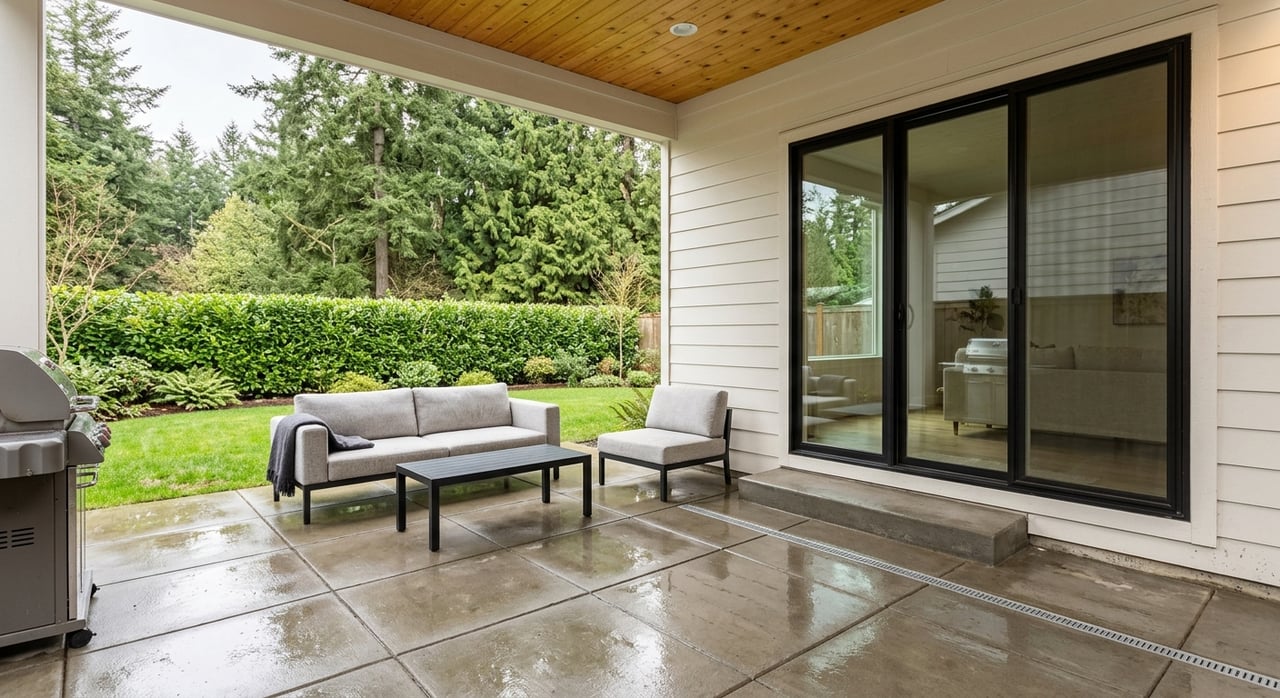
If you want a home that makes it easy to get outside, Washougal deserves a closer look. This small Columbia River city gives you a mix of everyday convenience, scenic access, and housing choices that connect closely to parks, trails, and the waterfront. Whether you are planning a move, buying your first home, or thinking about long-term value, understanding how outdoor living shapes housing in Washougal can help you make a smarter decision. Let’s dive in.
Why Washougal Stands Out
Washougal sits on the Washington side of the Columbia River at the west entrance to the scenic Columbia River Gorge. That setting matters because it shapes both daily life and future housing patterns. You are not just buying a home here. You are buying into a place where nature, recreation, and community planning are closely connected.
The city estimated a population of 17,944 in July 2024, which reflects 5.3% growth from 2020. Census data also shows a 73.9% owner-occupied housing rate, a median owner-occupied home value of $492,100, a median gross rent of $1,592, and median household income of $100,916. Those numbers help paint a picture of a city where homeownership plays a major role and where demand has supported steady growth.
Outdoor Living Is Part of Daily Life
One of Washougal’s biggest draws is how easy it is to enjoy the outdoors without needing to plan a full weekend trip. The city says it owns and operates 14 parks, one public cemetery, one community garden, and several acres of undeveloped open space. Clark County and the Port of Camas-Washougal also operate five parks in Washougal along the Columbia River.
That means your routine can include more than a backyard or a neighborhood sidewalk. Depending on where you live, you may be near paved walking paths, river viewpoints, picnic spaces, launches for non-motorized water access, or longer trails that connect multiple recreation areas. For many buyers, that kind of access becomes a real part of home value.
Waterfront Park and Trail Access
Washougal Waterfront Park & Trail shows how outdoor amenities shape the local lifestyle. The paved trail is 12 feet wide, ADA-accessible, and just under a mile long. The site also includes viewpoints, picnic areas, a playground, interpretive signage, water access trails, and a non-motorized kayak and canoe launch.
The Port says the trail is also designed to connect visitors to downtown and other trail systems. For homebuyers, that kind of connection matters because it supports a more walkable, active routine. It can also make nearby housing especially appealing for people who want to blend outdoor recreation with convenience.
Parks for Everyday Use
Not every outdoor amenity needs to be large to matter. Eagle View Park is a 1-acre city-owned park between apartment housing and the Columbia River riparian area, with a paved walking path, meandering trails, public art, and gathering spaces. This kind of smaller park can add a lot to daily quality of life, especially if you want nearby open space without leaving the neighborhood.
Washougal also offers access to larger destinations. Captain William Clark Park at Cottonwood Beach includes an 85-acre park area and a two-mile levee trail for hiking, jogging, biking, and horseback riding. Parker’s Landing Marina has a four-lane public boat launch open 24/7, supporting boating, kayaking, and fishing.
Trails and Wildlife Areas
If you enjoy scenic walks, birding, or longer outdoor outings, Washougal has several options nearby. Steigerwald Lake National Wildlife Refuge covers 1,049 acres of former Columbia River floodplain, and its 2.75-mile Gibbons Creek Wildlife Art Trail is accessible. The refuge also offers spring and fall birding tours.
Cape Horn Trail is another notable option, with a scenic two-mile hike to Cape Horn Overlook. The Lewis and Clark Heritage Trail, also called the Columbia River Dike Trail, links Steamboat Landing Park, Steigerwald Lake National Wildlife Refuge, and the Washougal Waterfront Park and trail system. When you look at a map of these amenities together, it becomes clear that outdoor living in Washougal is not limited to one park or one neighborhood.
How Outdoor Amenities Influence Housing
In Washougal, housing and outdoor access are tied together in a few different ways. The city’s current planning documents point to a housing pattern shaped by the waterfront, the town center, and lower-density residential areas near the urban growth area edge. For buyers and sellers, that creates several distinct settings to consider.
The city’s 2025-2045 comprehensive plan update says Washougal added 3,192 housing units between 2000 and 2023, and that the vast majority were single-family homes. At the same time, the plan says the city needs to diversify housing supply to meet affordability targets. That means future housing choices may continue to expand beyond the traditional detached-home pattern.
Walkable Waterfront and Town Center Areas
Some buyers want to be closer to trails, the waterfront, and downtown activity. Washougal’s land-use vision emphasizes a mix of uses in the town center and along the waterfront, with more housing in those areas. If you are looking for a home that supports a more connected, lower-car lifestyle, these parts of Washougal may be especially worth watching.
This setting may appeal to buyers who want easier access to public gathering spaces, riverfront trails, and seasonal community events. It may also matter to sellers because proximity to visible outdoor amenities can be a strong lifestyle feature when marketing a home.
Newer Mixed-Use Waterfront Housing
Current planning patterns also suggest newer mixed-use waterfront housing adjacent to parkland. This creates a housing experience where recreation is close at hand, not just a short drive away. If you value being able to walk to a trail, enjoy public viewpoints, or launch a kayak nearby, this part of Washougal may offer a strong fit.
For buyers relocating from more urban areas, these homes can offer a blend of access and scenery. For local move-up buyers, they may provide a different lifestyle than a more traditional subdivision layout.
Lower-Density Neighborhoods
Washougal’s northeast and northwest urban growth area subareas are intended to support higher-quality, lower-density residential choices with limited commercial development. If your priority is a quieter residential setting with access to outdoor spaces by car or short drive, these areas may be a better match.
This type of housing often appeals to buyers who want more separation between home and activity centers. It also fits people who love the outdoors but prefer a traditional neighborhood feel rather than a waterfront or town-center location.
What Future Housing May Look Like
Washougal is planning around state middle-housing and accessory dwelling unit requirements. In its density modeling, the city assumes up to two middle-housing units per residential lot plus up to two ADUs per lot. That makes infill, smaller-lot redevelopment, and attached or accessory housing part of the city’s longer-term housing picture.
For buyers, that could mean more variety over time. For sellers and property owners, it may affect how future neighborhood housing stock evolves. In practical terms, Washougal appears to be balancing its history of mostly single-family growth with a need for more flexible housing options.
Community Life Adds to the Appeal
Outdoor living in Washougal is not just about trails and river access. It is also tied to how people gather and use public spaces. The Washougal Community Market returns each summer at Reflection Plaza to celebrate local talent, support small businesses, and energize the downtown core.
The city also highlights annual events such as the 4th of July Parade, National Night Out, the Lighted Christmas Parade and Tree Lighting, Memorial Day Ceremony, and Earth Day: Paws for the Planet. These events help show how public spaces work as shared gathering places, not just scenic backdrops.
The city’s Towncenter Revitalization project is another sign of that direction. Plans include outdoor recreation facilities near the library and community center, including an off-leash dog park, pocket park, splash pad, play element, and expanded public parking. For anyone buying with long-term livability in mind, projects like this can be important to watch.
What Buyers Should Consider
If you are thinking about buying in Washougal, it helps to focus on how you want to live day to day. A home near the waterfront may offer a very different experience from a home in a lower-density residential area, even within the same city.
As you compare options, consider:
- How often you want to use trails, parks, or river access
- Whether you prefer a walkable setting or a more traditional neighborhood layout
- How important future housing growth and land-use change are to you
- Whether you want a single-family home, condo-style option, manufactured home, or another residential type that fits your budget and goals
A neighborhood-first search can help you narrow your choices based on lifestyle, not just square footage or price. That is often the best way to find a home that truly fits how you want to live in Washougal.
What Sellers Should Keep in Mind
If you are selling a home in Washougal, your location within the city may shape how your property is positioned. Access to parks, trails, river amenities, or downtown gathering spaces can be part of the lifestyle story buyers are looking for.
That does not mean every listing should be marketed the same way. A waterfront-adjacent home, a town-center property, and a home in a lower-density neighborhood may each speak to a different buyer. Clear pricing, strong presentation, and thoughtful marketing can help highlight what makes your location stand out.
Making a Smart Move in Washougal
Washougal offers something many buyers want but not every city can deliver. You get a growing housing market, a strong homeownership base, and a setting where parks, trails, river access, and community spaces are woven into everyday life. That combination can make a real difference in how a place feels once you move in.
If you are planning a purchase, sale, or relocation in Clark County, working with someone who understands the different housing settings in Washougal can help you make a more confident decision. For personalized guidance, local insight, and hands-on support, connect with Julie Mikutin Real Estate.
FAQs
What makes outdoor living important in Washougal housing?
- Outdoor living matters in Washougal because the city’s parks, waterfront access, trails, and nearby wildlife areas are closely connected to where and how people live.
What types of housing settings are common in Washougal?
- Current planning patterns point to walkable waterfront and town-center areas, newer mixed-use waterfront housing near parkland, and lower-density neighborhoods near the urban growth area edge.
What outdoor amenities are available in Washougal?
- Washougal includes city parks, Columbia River access, the Washougal Waterfront Park & Trail, Eagle View Park, Captain William Clark Park, Parker’s Landing Marina, Steigerwald Lake National Wildlife Refuge, and nearby scenic trails such as Cape Horn Trail.
Is Washougal growing as a housing market?
- Yes. The city’s population estimate reached 17,944 in July 2024, up 5.3% from 2020, and planning documents show continued attention to future housing growth and diversification.
What should buyers look for when choosing a Washougal neighborhood?
- Buyers should compare lifestyle factors such as proximity to parks and trails, walkability, housing type, and how each area fits their daily routine and long-term goals.