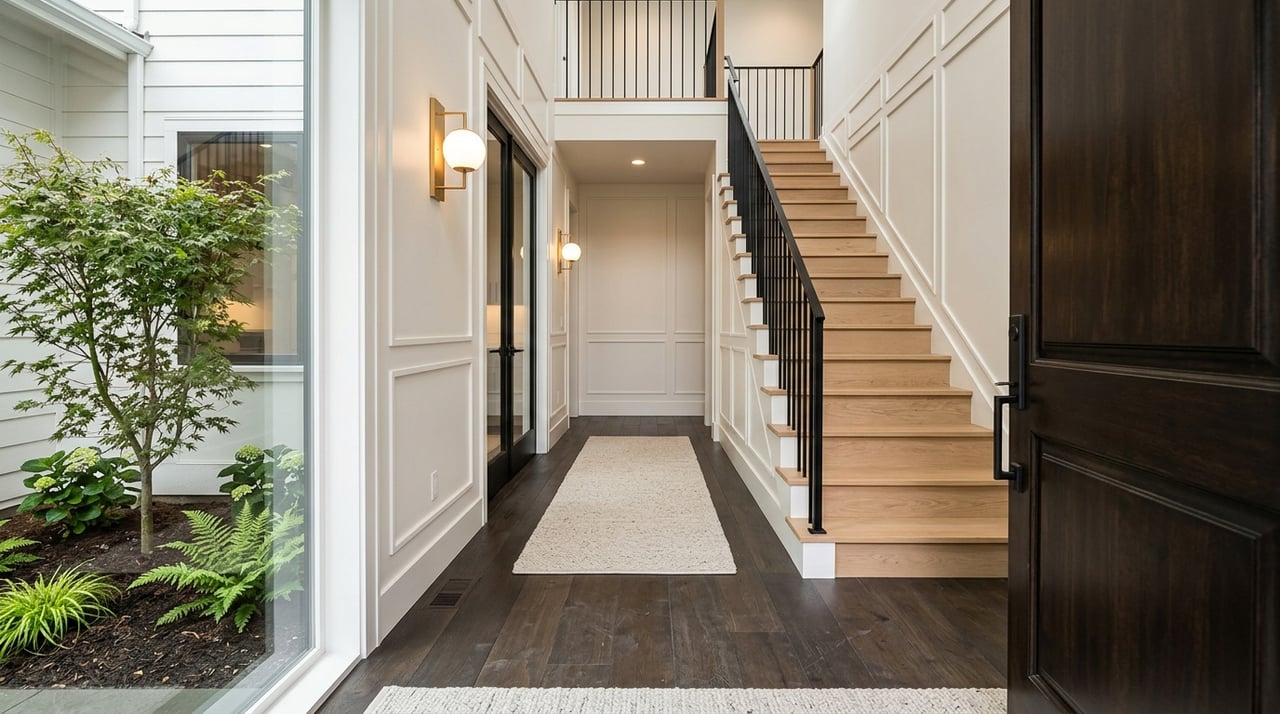
Buying a home in Portland can feel complicated even in your first language. When mortgage terms, disclosures, and neighborhood comparisons are mostly in English, the process can feel even more stressful. The good news is that with the right preparation and clear guidance, you can move forward with confidence. This guide walks you through the Portland homebuying process in plain language, with practical tips for Russian-speaking buyers. Let’s dive in.
Portland Market Basics
If you are planning to buy in Portland, it helps to start with the current market. According to Redfin’s Portland housing market data, the median sale price was $495,000 in February 2026, homes sold in about 39 days, and the typical home received about 2 offers.
That means you may still face competition on well-priced homes, but there can also be room to negotiate. Redfin also reports that 35.1% of homes sold above list price, while 25.8% had price drops. In other words, timing, pricing, and neighborhood choice all matter.
Portland is also a city where neighborhood differences are important. The city provides neighborhood demographic profiles for its neighborhoods, including housing data and the share of residents who speak a language other than English. That can be especially useful if you want to compare communities in a more practical way.
Start With Your Budget
Before you look at homes, focus on your finances. The Consumer Financial Protection Bureau recommends checking your credit reports early, reviewing your monthly spending, setting a budget, and gathering your paperwork before you shop.
Lenders will look closely at your income, debt, credit history, savings, and monthly obligations. If you want support during this stage, Oregon Housing and Community Services says housing counselors can help with budgeting, financial preparation, and mortgage readiness.
A simple starting checklist includes:
- Review your credit report
- Estimate your monthly housing budget
- Track debt payments and other monthly expenses
- Gather pay stubs, tax returns, and bank statements
- Build savings for down payment and closing costs
Get Preapproved Early
Preapproval is one of the most important early steps. The CFPB explains in its mortgage shopping guide that preapproval means a lender reviews your finances and credit report, estimates how much you can borrow, and gives you an idea of the interest rate you may receive.
It is smart to ask at least three lenders for preapproval. Comparing multiple offers can help you spot meaningful differences in rate, fees, down payment requirements, and monthly payment.
For many buyers, this step also makes the search feel more real. Once you know your price range, you can look at homes with a clearer plan and make stronger offers when the right property appears.
Compare Homes and Loans Together
Many buyers think they must finish the loan process before starting the home search. In reality, the CFPB says you can shop for homes and loans at the same time.
As you compare loan offers, look at more than the interest rate. Review the loan term, down payment, monthly payment, fees, and whether the payment could change later. A lower rate does not always mean a better overall loan.
At the same time, compare Portland neighborhoods based on your daily life. Think about commute times, transit access, housing style, and the type of setting you prefer.
Portland Neighborhoods to Compare
Portland has a wide mix of neighborhoods, and the right fit depends on your budget, lifestyle, and housing goals. The city’s neighborhood pages can help you compare areas based on housing character, access, and local features.
For buyers looking for more value, these neighborhoods are often worth a closer look:
- Foster-Powell: Portland links this area with immigrants, relatively more affordable housing, and a mix of households.
- Lents: The city describes Lents as a thriving and diverse community.
- Arbor Lodge: Known for park space and Yellow Line light rail access.
- West Portland Park: Described by the city as more suburban in feel with a relatively easy commute.
- Mill Park: Offers a residential setting with commuting convenience.
- Hazelwood: A large residential neighborhood with transit and shopping access.
If you are looking for a move-up home or a different style of property, these areas may also be worth comparing:
- Sellwood-Moreland: Known for walkable streets, historic homes, riverfront access, and parks.
- Laurelhurst: A close-in residential area with historic homes and a namesake park.
- Sunnyside: Walkable, eclectic, and known for historic charm.
- Collins View / Southwest Hills: Wooded, hilly, and view-oriented settings.
Because Portland’s prices vary by neighborhood, citywide averages only tell part of the story. A 2024 Portland housing report noted that median home sales prices exceeded $400,000 in almost all neighborhoods, which is another reason to compare areas carefully through the city’s neighborhood profile resources.
Understand Key Real Estate Terms
If English is not your first language, real estate vocabulary can be one of the hardest parts of buying a home. Here are a few key terms in plain language based on CFPB definitions:
Preapproval
A lender reviews your finances and estimates how much you may be able to borrow. This helps you set a realistic budget.
Earnest Money
This is a deposit that shows you are serious about buying. According to the CFPB’s mortgage terms glossary, it may be applied to your down payment or closing costs if the sale closes.
Home Inspection
A home inspection is an independent review of the home’s condition and major systems. It can help you identify issues before you are fully committed.
Appraisal
An appraisal is an independent written opinion of the home’s value. Lenders use it to help decide how much they are willing to lend.
Escrow
Escrow is an account used to collect money for property taxes and homeowners insurance. These costs are often included in your monthly payment.
Closing Costs
Closing costs are fees paid when the transaction is completed. The CFPB says they often total about 2% to 5% of the home price, depending on the loan and location.
Make an Offer With Confidence
Once you find the right home, your offer is the next big step. After a purchase contract is signed, you will usually submit earnest money as a good-faith deposit.
The CFPB explains that if the sale closes, that money may be applied to your down payment or closing costs. If the contract ends for an allowed reason, the deposit is usually returned. If a buyer does not act in good faith, the deposit can be forfeited.
This is one reason clear communication matters so much. You want to understand the contract terms, timelines, and responsibilities before you sign.
Inspection, Appraisal, and Closing
After your offer is accepted, there are still important steps ahead. A home inspection gives you an independent look at the property’s condition, and an appraisal gives the lender an independent opinion of value.
If either one reveals serious issues, you may be able to renegotiate repairs or credits before closing. This part of the process often moves quickly, so staying organized helps.
At least three business days before closing, you should receive a Closing Disclosure showing your final loan terms and itemized fees. Review it carefully so you can confirm the numbers match your expectations before signing.
Oregon Programs That May Help
Some Oregon buyers may qualify for state-supported programs that reduce upfront costs. According to Oregon Housing and Community Services, programs are available for both first-time and repeat buyers purchasing a primary residence.
Examples include:
- FirstHome: Designed for first-time buyers and includes a competitive interest rate plus 4% or 5% down payment assistance
- NextStep: Available to any homebuyer and pairs a fixed-rate first mortgage with second-mortgage down payment assistance that may be repayable or forgivable
- First-Time Home Buyer Savings Account: Offers potential tax benefits, including up to $6,125 for individuals and $12,245 for joint filers in 2025, with a lifetime cumulative subtraction of up to $50,000 over 10 years
To use these programs, buyers need to work with an approved lender. OHCS also says homeownership centers can provide guidance along the way.
Language Support for Russian Speakers
For many households, the biggest challenge is not finding a home. It is understanding every detail clearly enough to make good decisions. The CFPB notes that financial products and services in the United States are generally described in English, which can make mortgages harder to navigate if you primarily speak another language.
The good news is that there are helpful resources. The CFPB offers Russian-language information and multilingual support, and says phone help is available in more than 180 languages. OHCS says housing counselors can take calls in multiple languages through a translation service, and Portland 311 also offers resources to assist community members in additional languages.
For local support, Portland immigrant and refugee resources mentioned in the research include the Slavic Empowerment Team and IRCO’s Slavic and Eastern European Center. These can be useful starting points if you want broader community information while planning your move or purchase.
Why Clear Guidance Matters
Buying a home is not just about touring properties. You also need to compare loan offers, understand inspections and appraisals, review closing documents, and keep your monthly budget in line with taxes, insurance, and possible escrow payments.
That is where patient, step-by-step support can make a real difference. If you want a bilingual, neighborhood-focused approach in the Portland Metro area, Julie Mikutin Real Estate offers English and Russian service with hands-on guidance for buyers who want a clearer, more confident path to homeownership.
FAQs
What does preapproval mean for Portland homebuyers?
- Preapproval means a lender reviews your finances and estimates how much you may be able to borrow, helping you set a realistic budget before shopping.
What are closing costs for Portland home purchases?
- Closing costs are the fees paid at closing, and the CFPB says they often total about 2% to 5% of the home price depending on the loan and location.
What is earnest money in a Portland home purchase?
- Earnest money is a good-faith deposit made after signing a purchase contract, and it may be applied to your down payment or closing costs if the sale closes.
Where can Russian-speaking buyers find housing help in Oregon?
- Russian-speaking buyers can use CFPB Russian-language resources, OHCS homeownership centers, multilingual counseling support, and Portland-area immigrant and refugee resources mentioned above.
How should buyers compare Portland neighborhoods?
- Buyers should compare neighborhoods by budget, commute, transit access, home style, and city neighborhood profile data rather than relying only on citywide price trends.