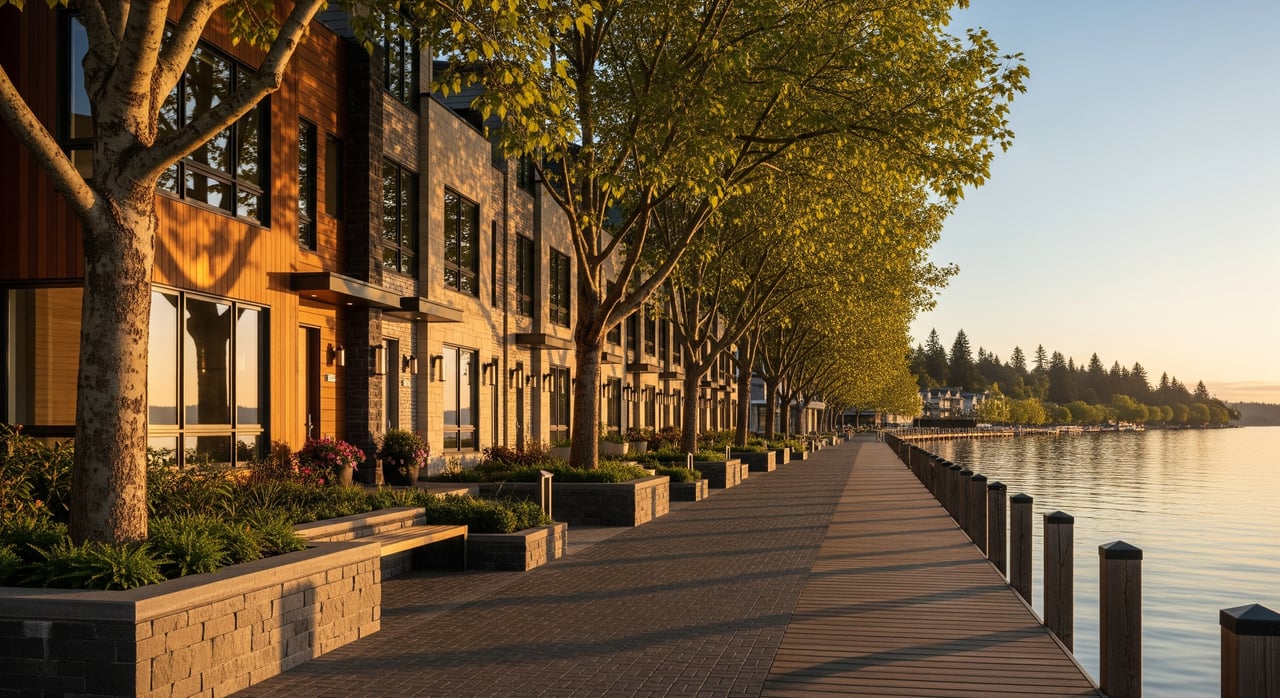
Do you want to step out your front door in Lake Oswego and stroll to coffee, dinner, and a lakeside park? You can, but it depends on where you look. Walkability here clusters around a few compact village centers and parkfront pockets, not across the whole city. In this guide, you’ll learn which areas offer true everyday walkability, what housing types you’ll find, and how to evaluate a property’s walkable lifestyle before you buy. Let’s dive in.
What “walkable” means here
Walkable living in Lake Oswego means you can reach daily needs on foot within 5 to 10 minutes, roughly 0.25 to 0.5 mile. Think grocery, coffee, restaurants, parks, and services without getting in the car. On the ground, you’ll notice continuous sidewalks, safe crossings, short blocks, and a steady mix of destinations.
Topography matters. Hills and curving suburban streets can turn a short distance into a tough walk. Focus on both distance and the quality of the route.
Downtown lakefront core
The most walkable node sits by the water near Millennium Plaza and the historic downtown blocks. This compact area concentrates restaurants, cafés, boutiques, personal services, and small professional offices. Lakeside parks and seasonal events bring steady foot traffic and make the streets feel active.
- Expect nearby: cafés, dining, boutique retail, salons, small offices, lakeside parks and plazas.
- Housing mix: low to mid-rise condos and apartments, historic cottages and bungalow conversions, plus high-value lakefront estates on private lots.
- Lifestyle fit: great if you want dining and errands within a few blocks and enjoy a lively, event-friendly atmosphere at times.
Lake Grove and the Boones Ferry corridor
Lake Grove functions as the second walkable hub, centered on the village core along Boones Ferry. It leans practical for daily errands with grocery options, pharmacies, banks, and a blend of chain and independent restaurants. Bus service and mixed-use spots strengthen the car-light feel within the center.
- Expect nearby: grocery and pharmacy, casual dining, neighborhood retail, services, bus stops on the corridor.
- Housing mix: mid-century single-family homes on suburban lots, townhomes and garden apartments, plus a handful of low-rise condos and mixed-use buildings.
- Lifestyle fit: a strong choice if you want errands within a short walk and prefer residential streets just off the core.
Park-adjacent micro-areas
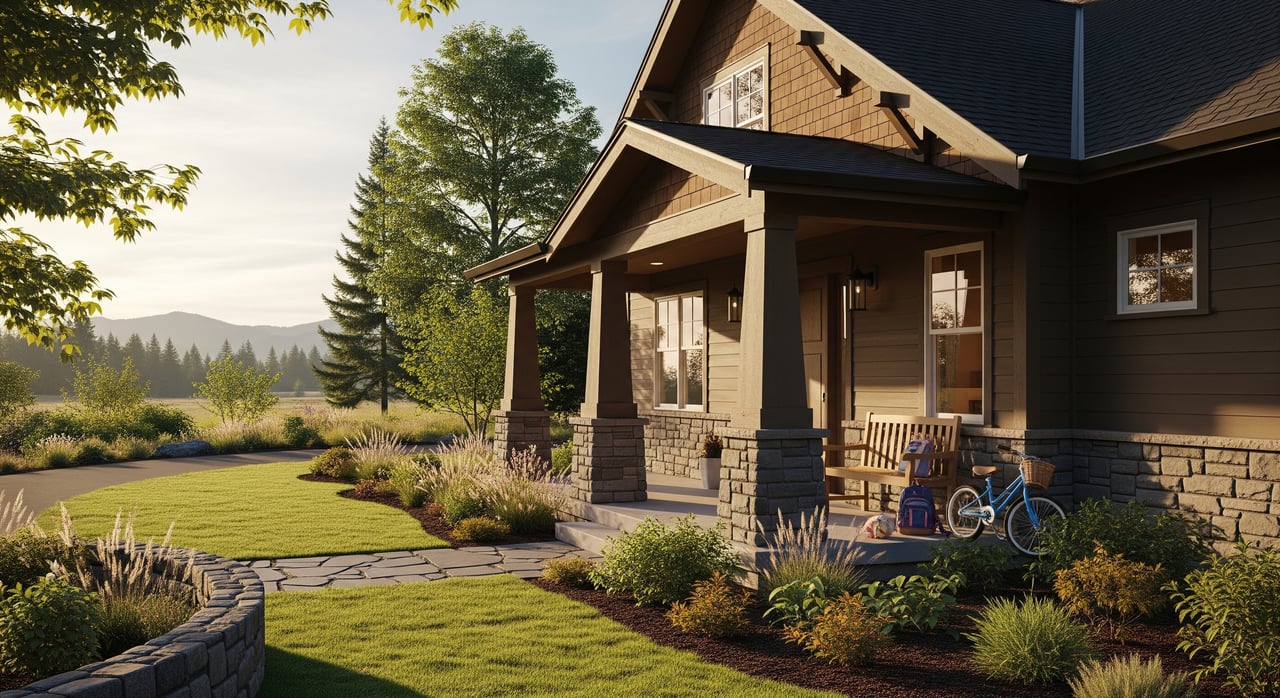
Homes close to major parks often live more walkably than the map suggests. Blocks within 5 to 10 minutes of George Rogers Park or the small lakefront parks near downtown see frequent daily walking for recreation and fresh air. Even if surrounding streets feel suburban, proximity to trails, water access, and play areas creates a natural walking routine.
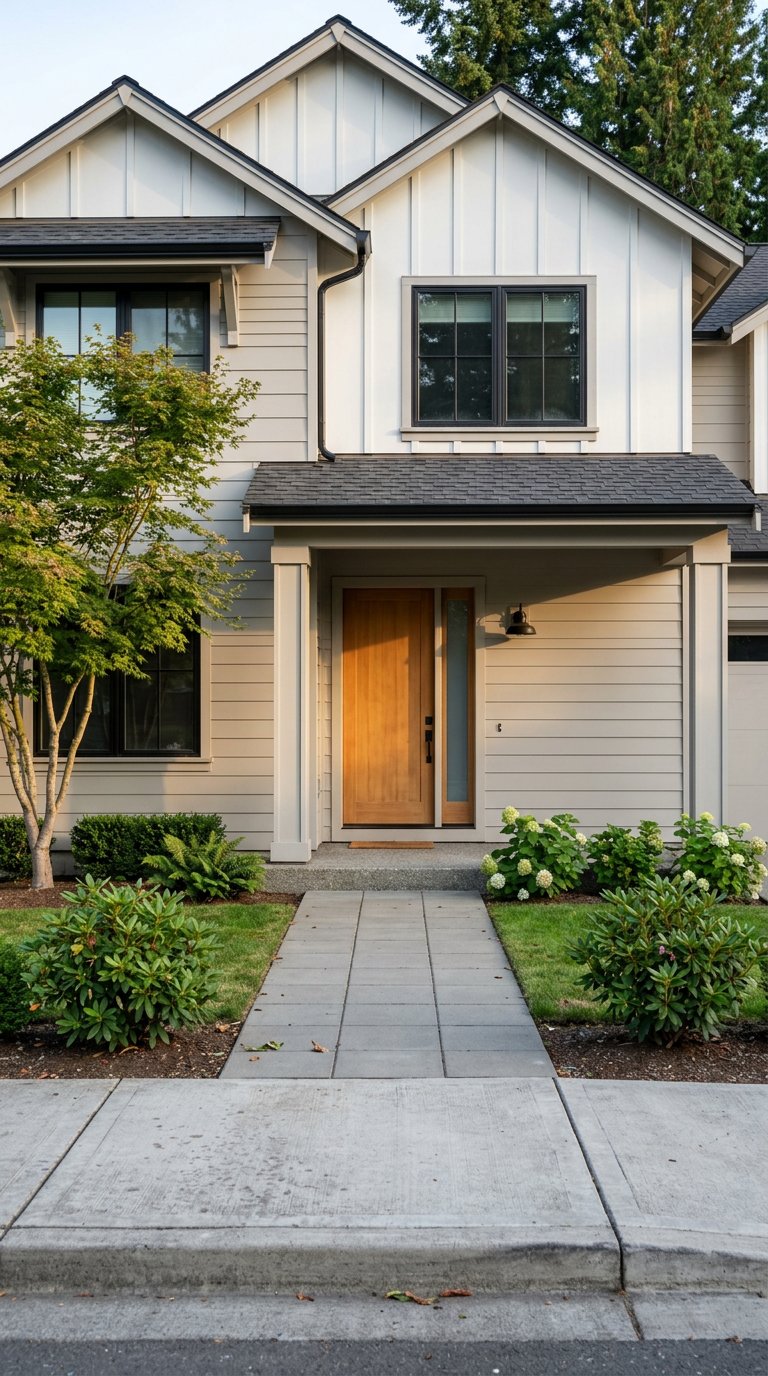
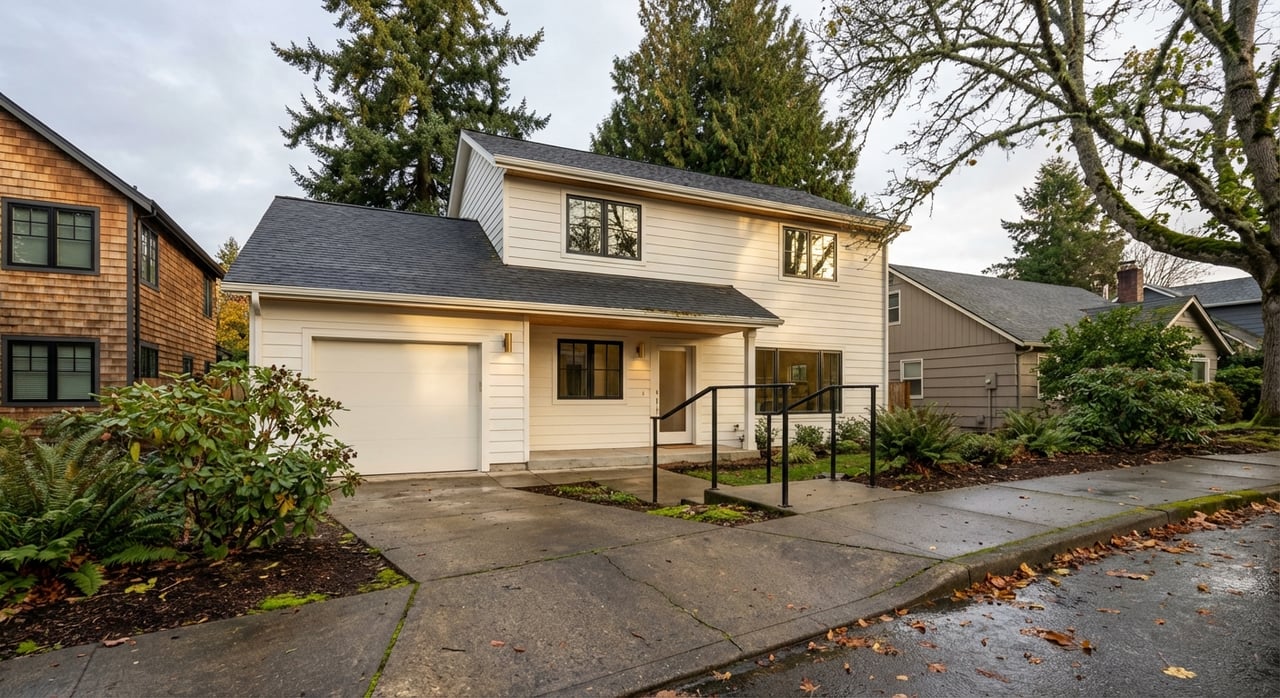
- Housing mix: mainly single-family homes with varied ages and lot sizes, with occasional duplexes or small multifamily near park edges.
- Lifestyle fit: ideal if you value outdoor access for pets, kids, or daily fitness.
Smaller neighborhood nodes
You will find tiny walkable clusters around a few intersections beyond the two main hubs. These spots typically offer a coffee shop, quick takeout, and a couple of useful services. The footprint is smaller, but for the right buyer, these pockets cover the basics within a short stroll.
Transit and connectivity
Regional bus service ties Lake Oswego to Portland and nearby suburbs, and main village centers tend to host the most frequent stops. There is no continuous high-frequency rail inside Lake Oswego. If transit matters to you, check routes and schedules for the corridors you’ll use most.
Infill and new construction near centers
Close to the downtown and Lake Grove cores, newer townhomes and mixed-use infill are increasingly common. These projects suit buyers who want low-maintenance, lock-and-leave living with restaurants and services close by. Village-center and mixed-use zoning encourages this pattern, so expect more options to appear near established retail streets.
Where to focus your search
If walkability is a priority, target properties within a 0.25 to 0.5 mile walk of:
- The downtown lakefront core near Millennium Plaza and adjacent streets.
- The Lake Grove Village Center along the Boones Ferry corridor.
- Entrances to large parks such as George Rogers Park or small lakefront parks downtown.
At the block level, confirm sidewalk continuity, safe crossings, and the directness of your route to daily destinations. A home 0.3 mile from coffee can feel very different depending on hills and traffic.
Quick touring checklist
Use this 10-minute walking audit during showings:
- Sidewalk continuity: Are sidewalks present and continuous on both sides, with curb ramps where needed?
- Crosswalk safety: Look for marked crossings, pedestrian signals, and shorter crossing distances.
- Destination mix: Count nearby everyday stops like coffee, grocery, pharmacy, restaurants, and park entrances.
- Street environment: Note trees, benches, lighting, and a buffer between sidewalk and traffic.
- Topography: Check for steep grades that affect daily trips with groceries, strollers, or limited mobility.
- Noise and parking: Visit during evenings and weekends to gauge activity and guest parking options.
Map your walk radius
Before touring:
- Map 5- and 10-minute walks from the property to coffee, grocery, parks, and bus stops.
- Compare alternate routes for safety and directness, not just distance.
When touring:
- Walk the actual route to your likely grocery and bus stop.
- Visit at the times you care about most, such as weekday mornings or weekend evenings.
Typical housing by area
- Downtown lakefront core: condos, apartments, historic cottages, and high-value lakefront estates. Popular with downsizers and lifestyle buyers who want restaurants and events nearby.
- Lake Grove / Boones Ferry: mid-century single-family homes on larger lots, plus townhomes, garden apartments, and some mixed-use buildings. Convenient for daily errands.
- Park-adjacent streets: primarily single-family homes with varied ages; some small multifamily near park edges.
- Suburban expanses: mostly single-family homes and newer subdivisions farther from village centers, often with fewer sidewalks and car-dependent daily routines.
Final take
Lake Oswego offers a refined version of walkable suburban living when you target the right pockets. The downtown lakefront core delivers the most compact, everyday walkability, while Lake Grove provides a practical, errands-first hub. Park-adjacent streets and small nodes add options if you want a quieter residential feel with dependable walks built into your day.
If you want help zeroing in on a walkable property that fits your lifestyle and budget, reach out to Julie Mikutin Real Estate. You’ll get neighborhood-first guidance, responsive communication, and bilingual service in English and Russian.
FAQs
Is Lake Oswego walkable across the whole city?
- No. Walkability clusters around the downtown lakefront core, the Lake Grove Village Center, and park-adjacent pockets. Many residential areas are car-dependent.
Which areas offer the best daily conveniences on foot?
- The downtown lakefront core near Millennium Plaza and the Lake Grove Village Center along Boones Ferry provide the strongest mix of dining, retail, and services within short walks.
Will living near the lake feel crowded on weekends?
- Lakeside blocks can see more pedestrian activity during events and warm seasons. Visit at event times to be sure the vibe matches your comfort level.
How do hills affect walkability in Lake Oswego?
- Elevation changes can turn short distances into challenging walks. Always test your actual route for grade, crossings, and directness, not just distance.
What housing types are common near walkable pockets?
- Downtown offers condos, apartments, and historic cottages, with lakefront estates nearby. Lake Grove mixes mid-century single-family homes, townhomes, garden apartments, and some mixed-use buildings.
What should I check during a showing to confirm walkability?
- Look for continuous sidewalks, safe crosswalks, a mix of daily destinations, comfortable street design, manageable hills, and realistic evening/weekend conditions.